Featured
Table of Contents
The kind of loss is likewise an aspect. For instance, opportunities are you'll regret longer and tougher over the untimely end of an enjoyed one than, claim, the end of a charming partnership. With time, despair signs will normally reduce. You'll be able to really feel happiness and happiness together with pain.
Don't separate on your own. Workout regularly, eat well, and obtain sufficient sleep to stay healthy and invigorated. Return to the activities that bring you joy. Speak to others who are additionally grieving. It can assist you feel more connected. Researches reveal that taking part in a sorrow support team can help safeguard you from creating long term or challenging despair.
There are some means to sustain your loved ones when they're regreting. Some essential actions include: Ask them what they require. Do they wish to speak? Walk? Assist with setups? Assistance them in the ways they require. Offer to run errands, drive their kids to institution, cook a dish, or assist with washing.
Never claim a loss wasn't a huge offer, or that they must relocate on. Don't put a favorable spin on their loss.
Depression Behind the Appearance of Success
Resolving pain may need expert help. If your sorrow interferes with your life, or your signs aren't better after 6 months, it may be time to speak to a psychological health and wellness therapist or specialist. Pain is a natural reaction to different sort of loss. You may have different sensations that reoccur, in any order.
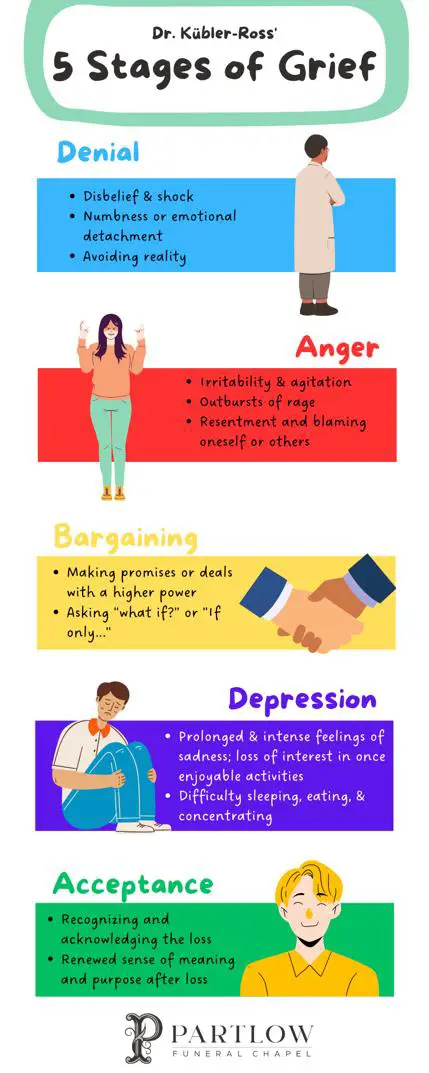
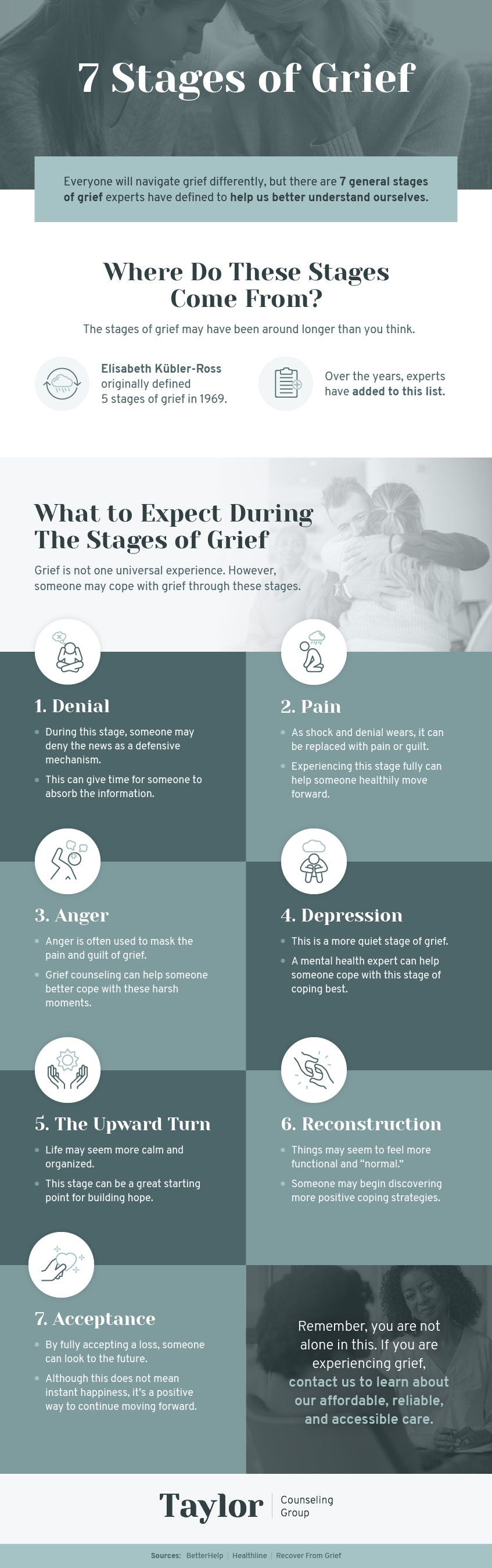
There are five stages of despair that can be used to assist comprehend loss. There's specialist aid and support readily available for coping with despair. Some experts have increased Kubler-Ross' five stages of pain to 7 stages.
There is no right or wrong timeline, yet this kind of sorrow gets much better with time.
Actionable Steps for Beginning Your Healing Journey with Narrative Therapy in the Area
The original 5 phases of grief (in some cases called the Kbler-Ross model) started with Swiss-American psychoanalyst Elisabeth Kbler-Ross, who first described them in her 1969 publication On Fatality and Dying."Dr. Kbler-Ross invested her career researching the passing away process and the impact of death on survivors," Dr. Josell shares.
Symptoms of rejection during the grieving process could consist of: Thinking that there's been a mistake and your enjoyed one isn't in fact goneRefusing to review your loss or imitating whatever is alright when you doStaying active with job or various other tasks so you don't need to face your feelingsPretending your liked one has actually taken place a holiday or will certainly be back soonContinuing to discuss your lost liked one in the here and now stressful The negotiating process occasionally happens before your loss has actually totally occurred, like when you believe, "If I recover from cancer cells, I promise I'll start going to church," or "If my husband survives his heart assault, I'll never say with him once more."However it can happen later, also, in the type of "so" thinking:"So we would certainly gone to a different medical professional, she can've been dealt with in time.""If only we had not gone on vacation, he wouldn't have actually acquired this illness.""If only I would certainly obtained my pet an electric collar, she wouldn't have actually faced the street."This may not look like negotiating, however the thinking is comparable.
Josell clears up. "Anger is a flawlessly all-natural feedback, and when it comes to loss, it can be directed at a selection of resources," Dr. Josell notes. It can additionally manifest as blame the sensation that someone is at mistake for your loss. You might really feel mad with yourself for some viewed function in the loss, or perhaps at your liked one for dying.
Relational Trauma and Workplace Relationships
If you lost your job, you might really feel upset at the coworker that acquired your workload. If you could not manage your home and needed to sell it, you may feel angry with the financial institution and even the real estate professional or the brand-new purchasers. Your temper can additionally be less targeted, sneaking up at arbitrary minutes.
"But sorrow can become medical depression, so it is essential to address it as you're experiencing it," Dr. Josell suggests. The discomfort of your grief may never fully discolor. Approval means learning to live with the loss acknowledging this brand-new truth and allowing grief and delight to live alongside one another.

Latest Posts
Healing Relational Wounds Affecting Role in Today's Connections through Therapy for Siblings
Why OCD Manifests in Body Image Concerns
EMDR Processing to Heal Generational Trauma